Toilet Training and Autism: What Parents Should Know Before Starting
This article may contain affiliate links. Learn more
Nobody warns you that potty training comes with a soundtrack of well-meaning advice. Your neighbor did it in a weekend. Your mother-in-law says it's all about willpower. A parenting book promises success in three days, with a cover photo of a very smug toddler.
Then you try it with your autistic child, and the three-day plan turns into three months, or three years. It's not because you're doing it wrong. It's because the standard playbook was written for a different kind of learner.
Why it's often different with autism
Toilet training asks a child to do several hard things at once. They have to notice a body signal that many autistic kids feel differently or not at all. They have to tolerate a new place, a cold seat, an echoing bathroom, and a flushing sound that can feel like an air raid siren. They have to break a routine that already works for them (a diaper is predictable, and a toilet is not). And they often have to do all of this without a lot of spoken language to explain what's going on.
So when it isn't clicking, the reason is usually one of these: the sensory experience is too much, the steps are unclear, the routine is unfamiliar, or the child can't yet feel or communicate the urge. None of those is defiance or laziness. They're all things you can work on.


Before you start: check readiness, not the calendar
Age matters less than readiness. Some signs worth watching for:
- Staying dry for longer stretches during the day
- Showing awareness of being wet or soiled, even if it's just looking bothered or going to a hiding spot
- Showing interest in the bathroom, or in what other people do there
- Being able to follow a simple routine, with or without words
- Being able to sit calmly for at least a short time
You don't need every box checked. But if none are, starting anyway usually means a lot of frustration for everyone, including the child.
It's also worth a quick conversation with your pediatrician first. Constipation and other physical issues are common and can quietly sabotage toilet training. Fix the plumbing before you blame the pupil.
Things parents can try
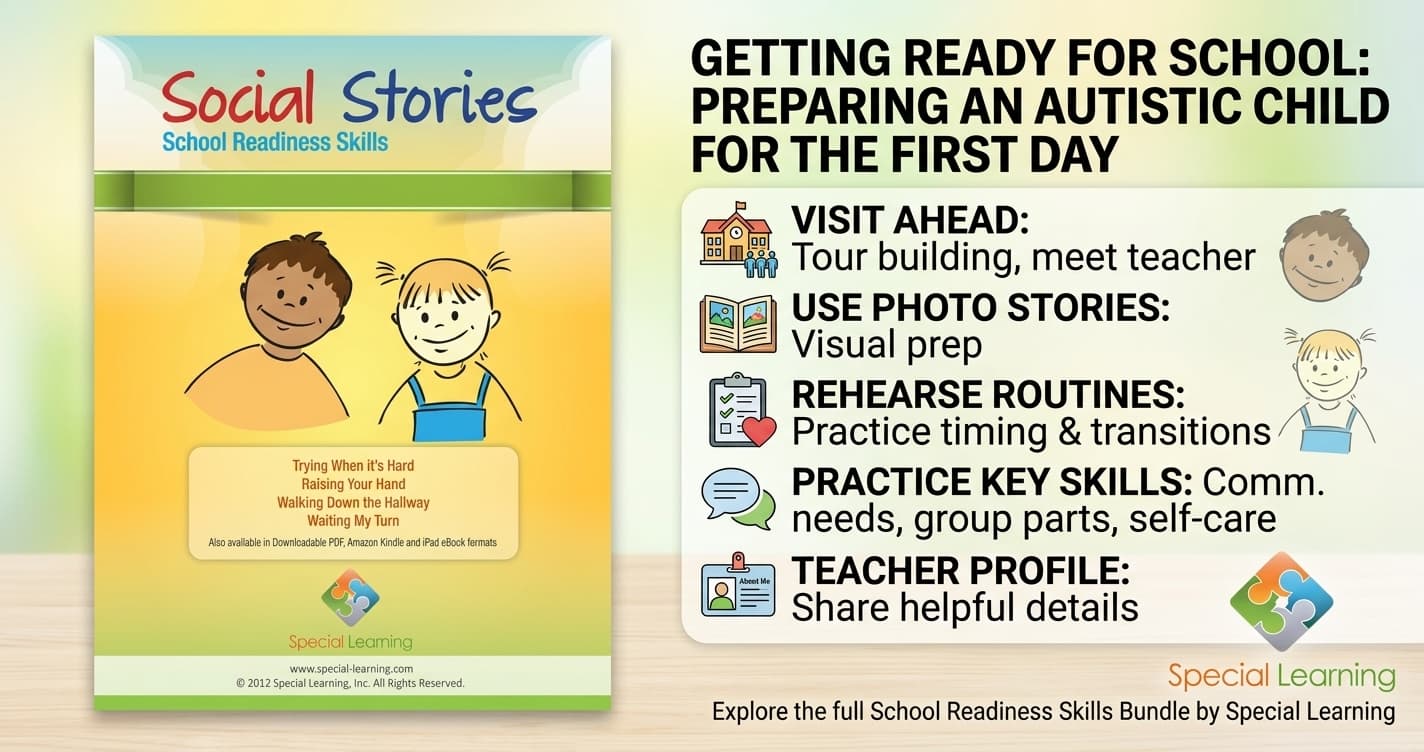
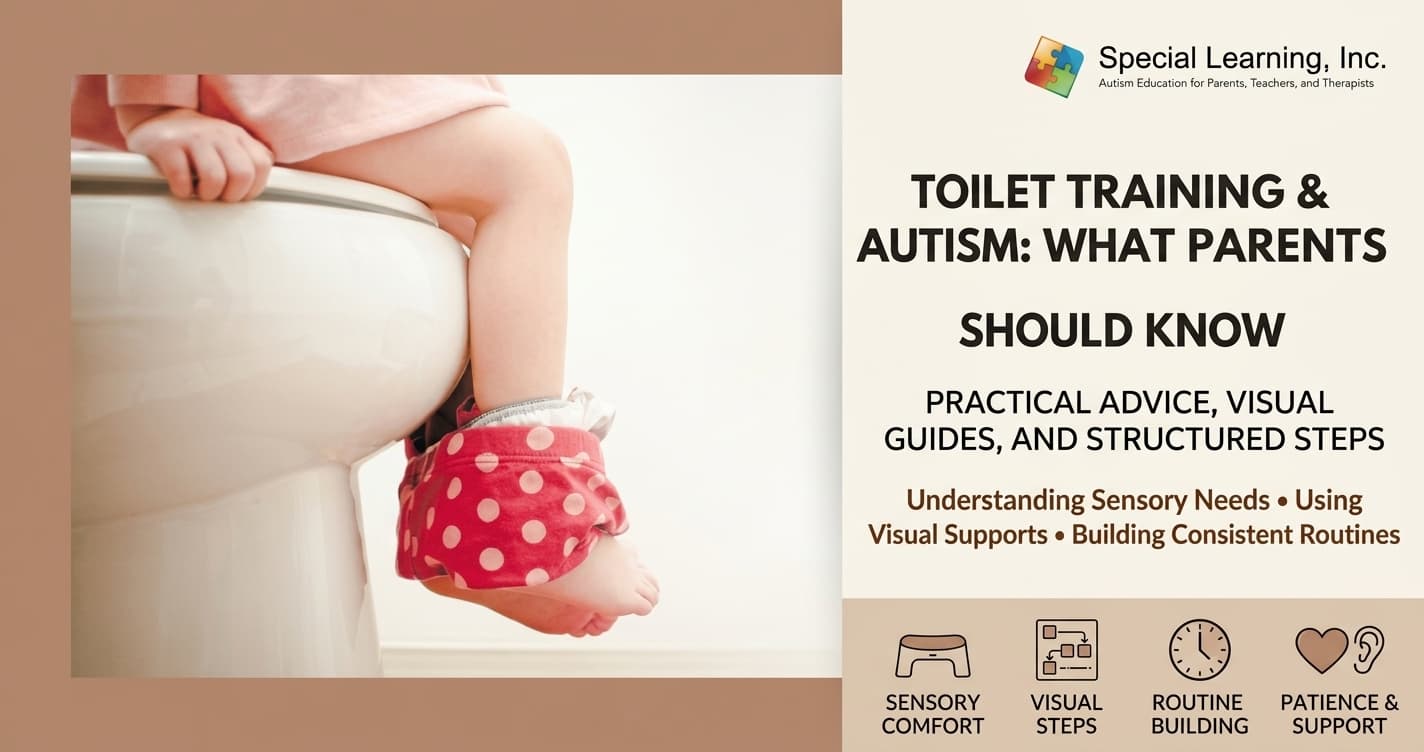
Make the bathroom less scary. Look at it through your child's senses. Is the fan loud? Is the light harsh? Does the flush startle them? Some families let the child flush after they've left the room, or cover the flush sensor on automatic public toilets. A small stool for the feet can also make sitting feel secure.
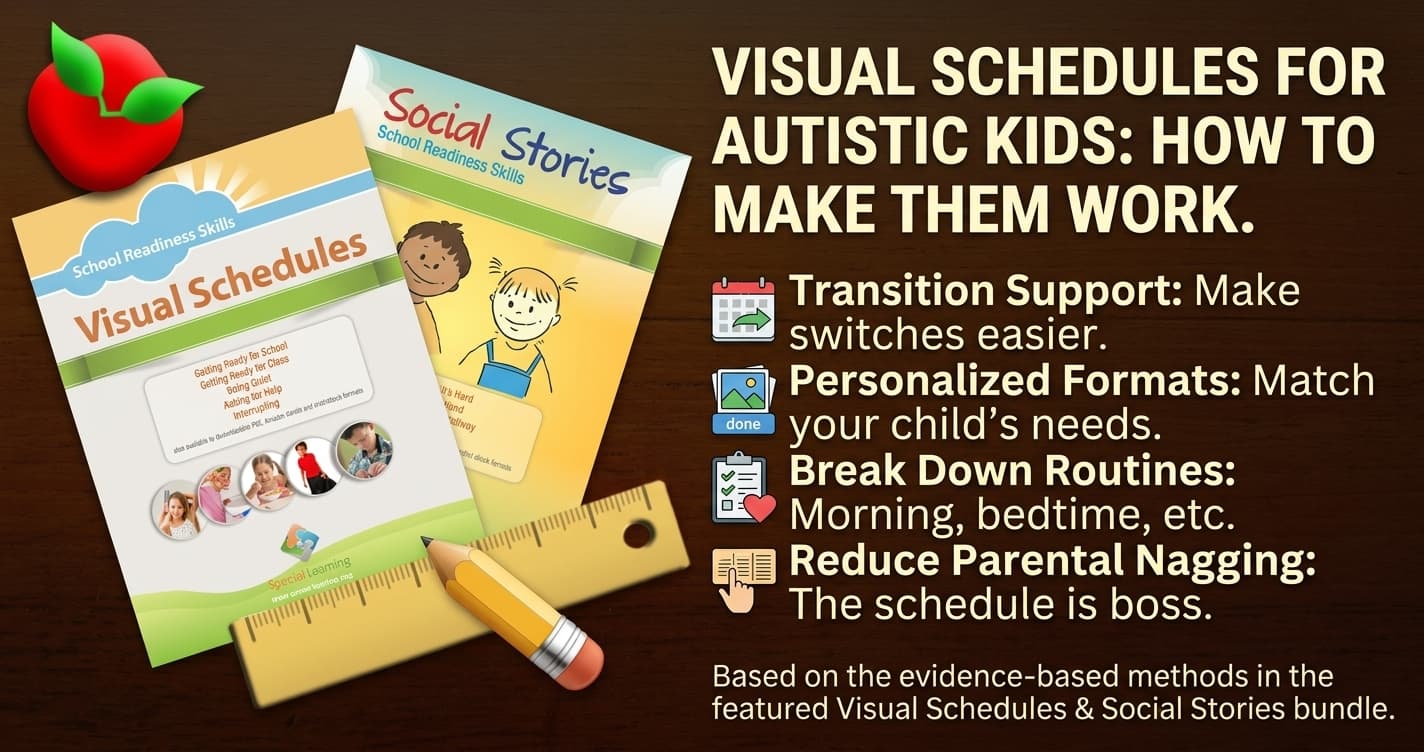
Show the steps. A short picture sequence in the bathroom (pants down, sit, wipe, flush, wash hands) takes the guesswork out. Many autistic children handle predictable visual steps far better than a stream of verbal instructions.
Build a routine before the pressure. Have your child sit for a minute at regular times, such as after meals or before bath, with a book or a favorite item. Skip the demand to produce anything at first. The goal is to make the toilet a normal, boring place.
Use rewards that actually matter to your child. A reward only works if your child cares about it. Pick something small, immediate, and specific to them.
Treat accidents as information. Punishment and big emotional reactions tend to make things worse. If accidents cluster at certain times or places, that's a clue about what to adjust.
Be consistent across the people in your child's life. If home, school, and grandma all do it differently, progress gets slower. Sharing the same steps and words with everyone helps.
When a structured resource may help
Sometimes you do all of the above and still feel like you're guessing. That's when a step-by-step plan can save time and sanity. It's especially worth considering if:
- Your child has no clear signals and you can't tell what's going on
- You've tried on and off for a long time and each attempt ends the same way
- There are strong sensory, anxiety, or routine issues involved
- Different caregivers keep changing the approach
- You'd like a clear starting point instead of assembling advice from ten sources
A structured program won't replace knowing your child. But it can give you a sequence to follow and a way to tell what's working.
A resource worth a look
Full disclosure: Autisable is an affiliate partner of Special Learning. If you buy through the link below, we may earn a commission at no extra cost to you. We only mention resources we think fit the topic.
Special Learning offers a webinar training called Toilet Training 101: How to Get Started ($39). It's aimed at parents and caregivers who want a practical starting point rather than another pile of advice. It's not a CEU course, so it's built for families, not professionals seeking credits.
If you're at the "where do I even begin" stage, it's a reasonable place to start.
The short version
Toilet training with autism is rarely quick, and rarely a straight line. Check readiness, rule out physical causes, make the bathroom manageable, show the steps, and stay calm about accidents. If you're still stuck, a structured plan can help. And if your neighbor did it in a weekend, congratulations to your neighbor. It's not a race.



Disclosure: Autisable.com participates in affiliate programs, including the Amazon Services LLC Associates Program and other affiliate advertising programs. This means we may earn commissions from qualifying purchases at no additional cost to you.
Comments
Join the community to leave a comment.