Talking to Your Autistic Child About Puberty

This article may contain affiliate links. Learn more
Most parents would rather do almost anything than have "the talk." Add autism to the mix and the worry grows. What if my child doesn't understand? What if they understand too literally? What if I say the wrong thing?
Here's the reassuring part. Puberty is a topic where clear, calm, factual information is exactly what many autistic kids do best with. It's less about finding the perfect words and more about not leaving your child to figure it out alone.
Why this matters more than it seems
Puberty happens whether or not anyone has prepared the child for it. Without explanation, a body that starts changing can be frightening. A first period can look like an injury. Unexpected erections or wet sheets can bring shame. Body odor, new hair, and mood swings can feel like something is wrong.
For many autistic children, there are extra layers:


- Unwritten social rules. What's private and what's public, when it's okay to touch yourself, and how close to stand to people are rarely spelled out, and many kids miss them.
- Sensory changes. New body hair, sweat, and menstrual products can be hard to tolerate.
- Emotional intensity. Hormones on top of already big feelings can make everything harder to manage.
- Safety. Children with disabilities are at higher risk of abuse, which makes teaching about bodies, privacy, and boundaries a safety issue, not just a health one.
This applies whatever your child's level of speech or intellectual ability. Kids who communicate in different ways still go through puberty, and they still deserve preparation.
Start earlier than feels natural
Many families wait until changes begin. It's usually better to start before, often in the years leading up to it, and to build in small steps. Early groundwork can be simple: use correct names for body parts, teach that bodies belong to the person who lives in them, and introduce the idea of private and public.
Puberty can begin earlier than many parents expect, so if you're wondering whether it's time, it probably is. Your pediatrician can tell you what's typical and what to watch for.
Things parents can try
Use plain, accurate language. Skip euphemisms and cute names. "Penis," "vagina," "period," and "erection" are clear. Vague language leaves autistic kids more confused, not less.
Be literal and concrete. Explain what will happen, in what order, and what to do about it. "Your body will grow hair under your arms. This is normal. You'll use deodorant every morning."
Use visuals. Diagrams, pictures, and simple stories work better than long explanations. Many parents find written or illustrated stories especially helpful.
Teach private versus public. Some things happen in private places, like changing clothes or touching your own body. Others are for public spaces. Make the rule specific and consistent, and name which rooms are private.
Teach body safety. Explain that your child's body is theirs, that no one should touch them in ways that feel wrong, and that they can say no and tell a trusted adult. Practice who those trusted adults are.
Practice the hygiene routine. Puberty adds new tasks, such as deodorant, showering more often, shaving, or managing periods. Break each into steps and rehearse before it's needed.
Prepare for periods ahead of time. For girls, show the supplies, practice using them, and keep a kit at home and at school. A dry run before the first period can reduce a lot of panic.
Keep it matter-of-fact. Kids often take their cue from your tone. Calm and practical beats embarrassed or anxious.
Repeat it. One conversation isn't enough. Return to the topic often and let the information settle over time.
Loop in the professionals. Your pediatrician, school nurse, or therapist may be able to help with questions or share materials. If a child has strong reactions or needs individual support, ask for guidance.
Talk about feelings too. Mood changes and new emotions are part of puberty. Naming them and offering coping tools can help.
When a structured resource may help
Even when you know what you want to say, finding the words and the right level for your child can be hard. Materials designed for autistic kids can help if:
- You want clear, illustrated explanations pitched at the right level
- You'd like something your child can read or look through on their own, at their own pace
- You want consistent language across home and school
- You're not sure where to start or how much detail to include
Materials like these work best alongside conversation, not instead of it. Read them together, answer questions, and come back to them.
A resource worth a look
Full disclosure: Autisable is an affiliate partner of Special Learning. If you buy through the link below, we may earn a commission at no extra cost to you. We only mention resources we think fit the topic.
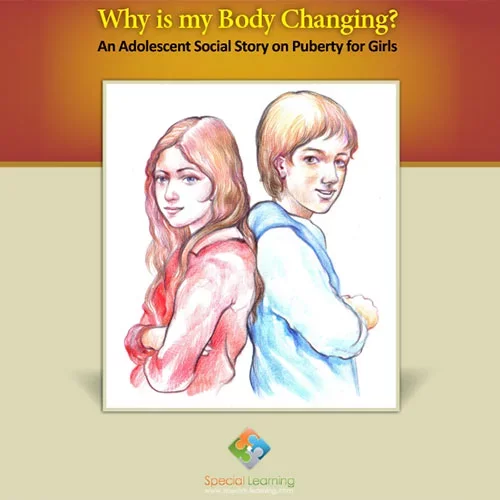
Special Learning offers puberty-focused social stories, each priced at $14.99: Why Is My Body Changing? Puberty for Girls and Why Is My Body Changing? Puberty for Boys.
Choose whichever best matches the changes your child's body is likely to go through, and preview the material yourself before sharing it. You know your child best.
The short version
Puberty goes better when it's not a surprise. Start early, use clear and accurate language, show what will happen, teach privacy and body safety, and rehearse new routines before they're needed. Stay calm, repeat often, and ask your child's doctor or school for support. If you'd like ready-made, illustrated materials to work from, low-cost social stories can be a gentle place to start.



Disclosure: Autisable.com participates in affiliate programs, including the Amazon Services LLC Associates Program and other affiliate advertising programs. This means we may earn commissions from qualifying purchases at no additional cost to you.
Comments
Join the community to leave a comment.