Just Got the Autism Diagnosis: What to Do First
This article may contain affiliate links. Learn more
The evaluation is over. Someone has said the word, handed you a report, and maybe a stack of brochures. You walk out to the parking lot holding a document that runs eleven pages and uses a lot of words you've never used.
People react to this moment in very different ways. Some feel relief, because at last there's an explanation. Some feel grief, fear, or a numb kind of fog. Many feel all of it in the same afternoon. Whatever you're feeling, it's a normal response, and it doesn't mean you're handling it wrong.
Here's a calmer way to think about the next few weeks.
Your child is the same child
The diagnosis is new information, not a new child. The person you loved yesterday is the person in front of you today. What's changed is that you now have a name for some of what you've been seeing, and access to supports that may not have been available before.


There's also no deadline that makes the next 48 hours decisive. Yes, early support matters. But a few weeks of getting oriented won't undo anything, and decisions made in a panic are rarely the best ones.
What to do first
Get the full report and read it slowly. Ask for a copy of the evaluation, including any recommendations. Highlight anything you don't understand and write down questions. It's fine to call back and ask the evaluator to explain it in plain language.
Ask what they recommend, and in what order. Evaluators often suggest services like speech therapy, occupational therapy, behavioral supports, or school evaluations. Ask which matter most right now and why.
Start the paperwork chain. Depending on where you live and your child's age, this might mean contacting your early intervention program or your school district about an evaluation for services. It may also mean checking your health insurance for coverage rules, and looking into any state or local programs. Waitlists are real, so getting your name on lists early is one of the most practical things you can do.
Set up a binder or folder. Reports, evaluations, insurance letters, contact names, and dates all pile up quickly. A simple system now saves a lot of stress later.
Talk to your child's doctor. Your pediatrician can help coordinate referrals and check for other health issues that sometimes travel with autism, such as sleep problems, digestive troubles, or anxiety.
Find your people. Other parents, and autistic adults who share their experiences, can offer things no professional can. Local groups, online communities, and organizations like the Autism Society can help you start.
What can wait
Not everything has to be solved this month. It's okay to put some things on the back burner:
- Deciding on a long-term plan. You'll learn a lot in the first few months. Give yourself room to change your mind.
- Telling everyone. Share with whoever you're ready to share with, when you're ready.
- Trying every therapy at once. More isn't always better. Piling on services can exhaust both you and your child.
- Reading everything online. The internet is full of conflicting advice, and some of it is aimed at scared parents with a credit card. Be especially cautious about anything promising a cure, or a quick fix that requires expensive products or supplements.
Things parents can try at home right away
While the bigger systems are getting organized, there are a few low-cost things you can do at home:
- Observe and take notes. When does your child seem calm? When is it hard? What helps? These details will be valuable to every professional you work with.
- Add simple structure. Predictable routines and visual supports help many autistic children.
- Follow your child's interests. Joining in what they already love is one of the best ways to build connection and communication.
- Use clear, simple language. Short sentences, concrete words, and enough time to respond.
- Look after yourself. Sleep, food, and a little time to breathe are not luxuries. Your child benefits when you're steady.
When a structured resource may help
Many parents describe the first months as drinking from a fire hose. A structured introductory program can help by putting the essentials in one place and in a logical order. That may be worth considering if:
- You feel overwhelmed and don't know where to begin
- You'd like a plain-language overview of autism and common supports
- You want practical strategies to use at home while services are being arranged
- You'd rather have one organized resource than fifty browser tabs
A training kit isn't a substitute for your child's evaluation team or medical providers. Think of it as a foundation, something that gets you oriented and gives you a shared vocabulary.
A resource worth a look
Full disclosure: Autisable is an affiliate partner of Special Learning. If you buy through the link below, we may earn a commission at no extra cost to you. We only mention resources we think fit the topic.
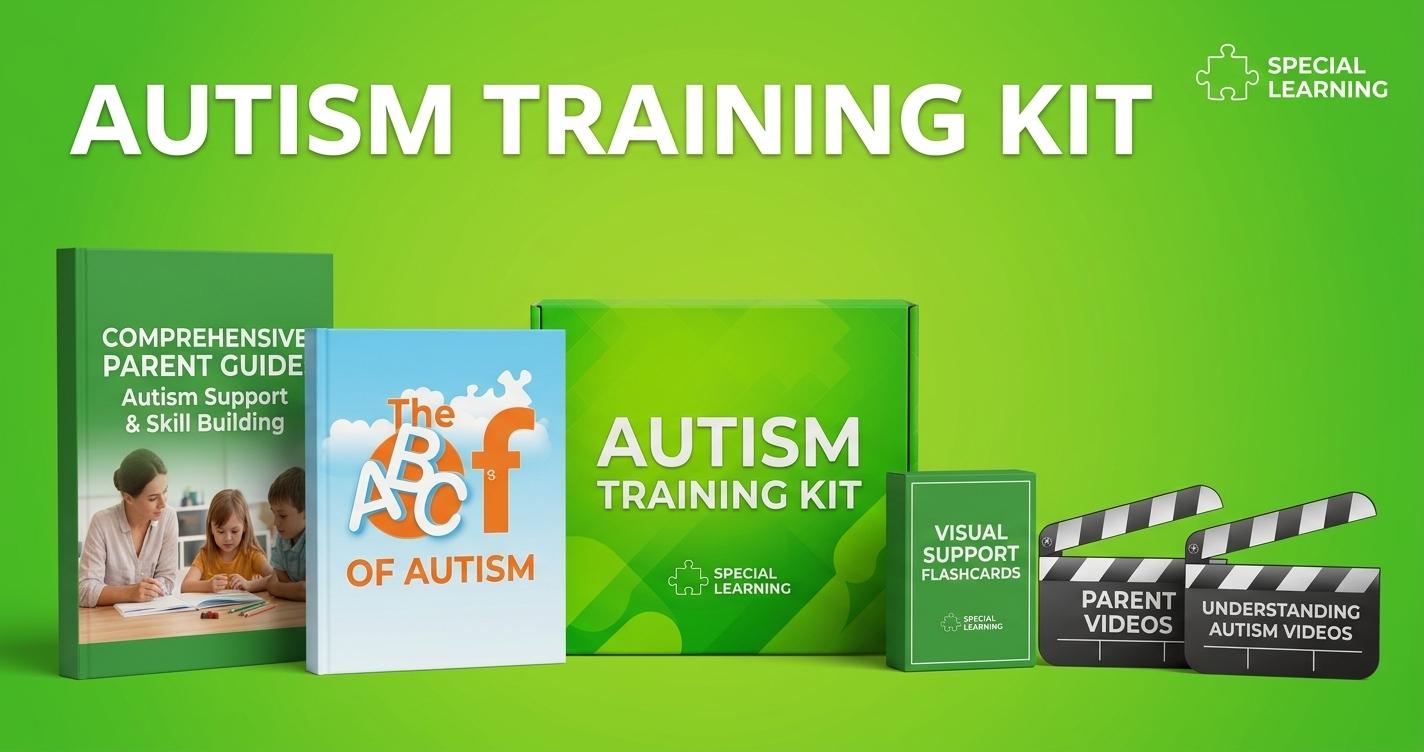
Special Learning offers the Autism Training Kit ($59), an introductory resource for families and caregivers. If you'd like a single organized starting point after a new diagnosis, it's worth a look.
The short version
A new diagnosis is a lot, and you don't have to do it all at once. Get the report, ask what to prioritize, get on the waitlists, start a folder, and find other people who understand. Skip the miracle cures, take the pressure off yourself, and remember that your child hasn't changed. If you'd like an organized place to begin learning, an introductory training kit can help.



Disclosure: Autisable.com participates in affiliate programs, including the Amazon Services LLC Associates Program and other affiliate advertising programs. This means we may earn commissions from qualifying purchases at no additional cost to you.
Comments
Join the community to leave a comment.