Reward Systems Without the Guilt: How Token Boards Actually Work
This article may contain affiliate links. Learn more
If you've spent any time around autism supports, you've seen a token board. It's a small chart, usually with Velcro stars or stickers, where a child earns a token for doing something and trades in the tokens for a reward.
Parents tend to have one of two reactions. Some think, "This could save my mornings." Others think, "This feels like bribery, and I'm not sure I like it."
Both reactions are reasonable. A token board is a tool that can be used well or badly, and it isn't the right tool for every child or every problem. Here's a fair look at both sides.
What a token system is, and isn't
A token system is a visual way to show a child that effort is adding up toward something they want. The child does a task, gets a token, and after a set number of tokens, gets a preferred activity or item.

The benefit is that it makes an abstract idea, "keep going and something good will happen," concrete. Many kids can see progress on a board more easily than they can hold a promise in their head.
It's not a punishment system, a way to force compliance, or a replacement for understanding why your child is struggling. That last one matters most.
The bribery question
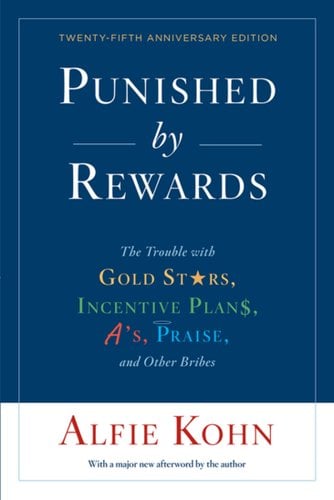
The common objection is that rewards teach kids to work only for prizes. There's some truth to that concern. There's also a difference between a bribe and a planned reward.
A bribe usually shows up in the middle of a meltdown ("stop screaming and I'll give you a cookie"). A reward system is set up in advance, calmly, with clear rules everyone understands. Adults work for paychecks, and no one says that's a character flaw. The goal is to use rewards to get a skill started, then fade them as the skill becomes natural or the child finds it worthwhile on their own.
Still, the critics have a point when reward systems are used to push a child to behave in ways that are hard for them, without asking why.
When token boards can help
They often work best for:
- Building a routine or skill in small steps, such as brushing teeth, staying at the table, or practicing a new task
- Making waiting or effort visible, particularly for kids who struggle with "how much longer?"
- Motivating a task that's hard but not distressing, like homework or chores
- Giving clear feedback, so kids know they're on the right track
When to be cautious or skip it
- When the behavior is really distress. If a child is melting down because of noise, pain, anxiety, or overload, a reward chart won't fix it. It can add pressure to a child already struggling. Look for the cause first.
- When the task is beyond the child's current ability. A reward can't teach a skill that hasn't been taught yet. If your child can't do it, they need support, not incentive.
- When it becomes about compliance. A system that rewards "being good" and "quiet" can teach a child to mask discomfort. Be careful about what you're reinforcing.
- When rewards are taken away. Removing tokens as punishment tends to backfire. Earned means earned.
- When basics are used as prizes. Food, comfort, sleep, and time with you shouldn't be things a child has to earn.
It's also worth remembering that a token system is one tool among many. It works best alongside understanding, accommodations, and teaching, not in place of them.
Things parents can try
Start with one clear target. Pick a single, specific behavior, such as "put shoes on" or "sit for dinner for five minutes." Vague goals like "be good" don't work.
Let your child help choose the reward. A reward only motivates if your child wants it. Offer choices and update them when interest fades.
Keep the first goal easy. Set the bar low enough that success comes quickly. Early wins build trust in the system.
Keep the board short. Three to five tokens is a good starting size. A board that takes all week to fill will lose a child's interest.
Give the reward right away. Delay weakens the connection between effort and payoff, especially for younger kids.
Pair it with praise. Say what they did: "You put your shoes on by yourself." Specific praise builds real understanding.
Never take tokens away. Once earned, they stay earned. If something goes wrong, deal with it separately.
Plan to fade. As the skill becomes easier, stretch the number of tokens, lengthen the time between rewards, or shift to natural rewards like a favorite activity. The aim is for the board to matter less over time.
Pay attention to your child's response. If your child seems anxious, stressed, or shuts down around the board, that's information. Adjust or stop.
When a structured resource may help
Token boards look simple, but small design choices matter: how many tokens, how big the reward, how quickly to fade. A structured guide can help if:
- You'd like a clear, step-by-step method instead of improvising
- You want ready-made boards and materials
- You're coordinating with school or therapy and want a consistent approach
- You've tried a chart before and it fizzled out
A resource like this can give you the mechanics. The judgment about whether it suits your child is still yours.
A resource worth a look
Full disclosure: Autisable is an affiliate partner of Special Learning. If you buy through the link below, we may earn a commission at no extra cost to you. We only mention resources we think fit the topic.
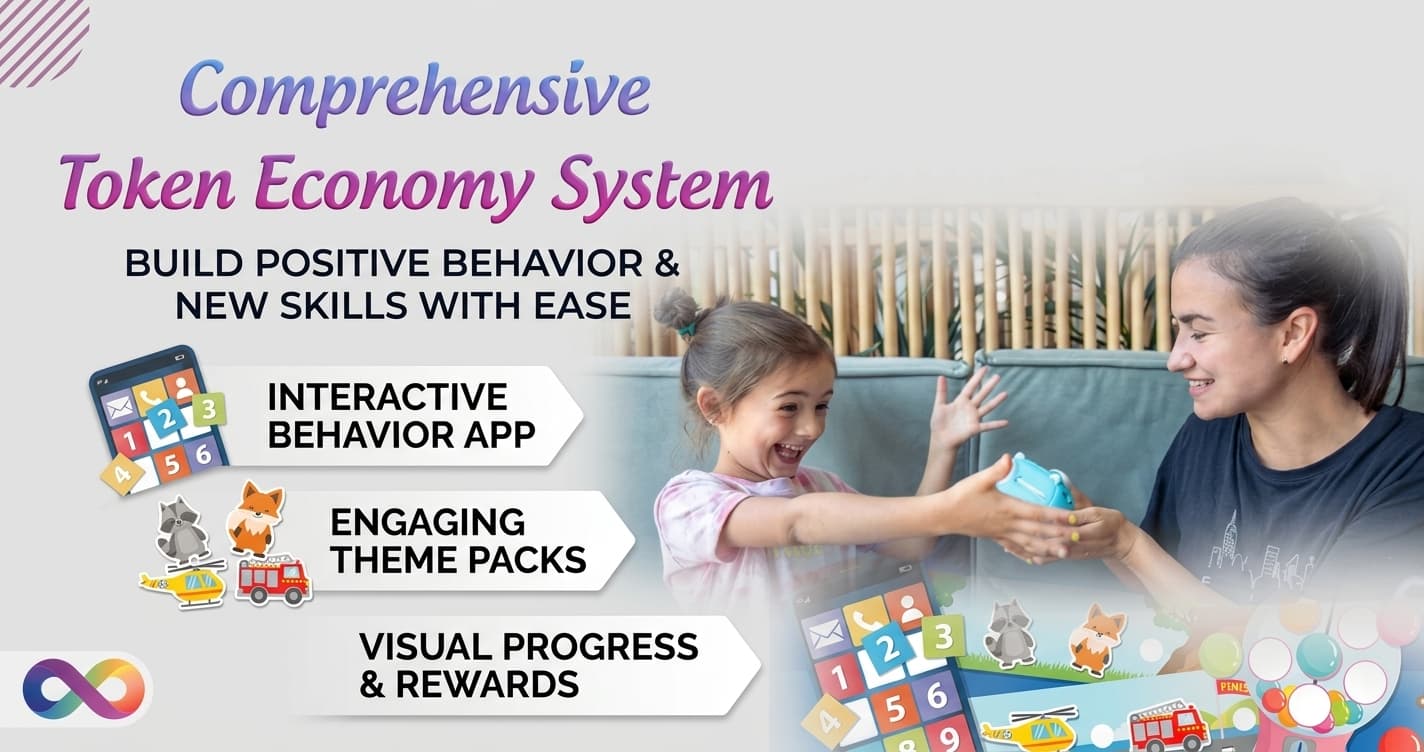
Special Learning offers the Token Economy System ($39.99), a resource for setting up a token system. If you'd like a structured way to build one, and you've thought through whether it fits your child, it's worth a look.
The short version
A token board can make effort visible and help build routines, but it's not a fix for distress, and it's not right for every child. Choose one small goal, let your child pick the reward, give it right away, never take tokens back, and plan to fade it. Watch how your child responds, and stop if it's making things worse. If you want a step-by-step approach, a structured system can save you some trial and error.


Disclosure: Autisable.com participates in affiliate programs, including the Amazon Services LLC Associates Program and other affiliate advertising programs. This means we may earn commissions from qualifying purchases at no additional cost to you.
Comments
Join the community to leave a comment.