Ultrasounds and Autism
newautismcure4 min read
This article may contain affiliate links. Learn more
From: Dr. Chun Wong
Ultrasounds are something that we all take for granted in modern day pregnancies and they are a vital diagnostic tool used by obstetricians, midwives and health professionals all over the world.
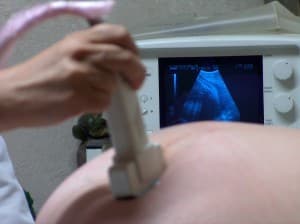
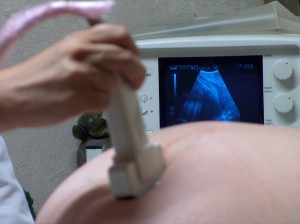 Ultrasounds, also known as obstetric sonograms, obstetric sonographies and pregnancy sonograms, are imaging tests that use soundwaves to form a picture of the developing fetus in the womb, and also the placenta. The ultrasound scanner produces high frequency soundwaves which pass through the body and bounce back off bones and tissue, forming an image of the fetus which is then available on the scanner screen.
There are seven main types of ultrasound scan: transvaginal scan, standard ultrasound, advanced ultrasound, Doppler ultrasound, 3D ultrasound, 4 D ultrasound (or 3D Dynamic ultrasound) and Fetal Echocardiography. Although these ultrasounds are slightly different and look at different things, they all use the same technology.
There is no recommended number of ultrasounds in pregnancy and the number of ultrasounds a woman will be offered depends on her circumstances, her healthcare provider and whether there are any concerns regarding the pregnancy.
Ultrasounds in the first trimester are used to confirm whether the pregnancy is viable, to give a due date, to confirm heartbeat and also assess whether the pregnancy is ectopic. In the second trimester, ultrasounds can be used to diagnose any abnormalities or malformation of the fetus, to check on growth and development, assess whether it is a multiple pregnancy, confirm the death of the fetus where this is suspected, and identify problems such as excessive or reduced levels of amniotic fluid. In the third trimester, ultrasounds can be used to find out the location of the placenta, confirm death of the fetus if it is suspected, to check on the growth and development of the baby, to confirm presentation of the baby and to check whether the woman has any pelvic or uterine abnormalities which could cause problems.
Ultrasounds, also known as obstetric sonograms, obstetric sonographies and pregnancy sonograms, are imaging tests that use soundwaves to form a picture of the developing fetus in the womb, and also the placenta. The ultrasound scanner produces high frequency soundwaves which pass through the body and bounce back off bones and tissue, forming an image of the fetus which is then available on the scanner screen.
There are seven main types of ultrasound scan: transvaginal scan, standard ultrasound, advanced ultrasound, Doppler ultrasound, 3D ultrasound, 4 D ultrasound (or 3D Dynamic ultrasound) and Fetal Echocardiography. Although these ultrasounds are slightly different and look at different things, they all use the same technology.
There is no recommended number of ultrasounds in pregnancy and the number of ultrasounds a woman will be offered depends on her circumstances, her healthcare provider and whether there are any concerns regarding the pregnancy.
Ultrasounds in the first trimester are used to confirm whether the pregnancy is viable, to give a due date, to confirm heartbeat and also assess whether the pregnancy is ectopic. In the second trimester, ultrasounds can be used to diagnose any abnormalities or malformation of the fetus, to check on growth and development, assess whether it is a multiple pregnancy, confirm the death of the fetus where this is suspected, and identify problems such as excessive or reduced levels of amniotic fluid. In the third trimester, ultrasounds can be used to find out the location of the placenta, confirm death of the fetus if it is suspected, to check on the growth and development of the baby, to confirm presentation of the baby and to check whether the woman has any pelvic or uterine abnormalities which could cause problems.
What are Ultrasounds?
Ultrasounds, also known as obstetric sonograms, obstetric sonographies and pregnancy sonograms, are imaging tests that use soundwaves to form a picture of the developing fetus in the womb, and also the placenta. The ultrasound scanner produces high frequency soundwaves which pass through the body and bounce back off bones and tissue, forming an image of the fetus which is then available on the scanner screen.
There are seven main types of ultrasound scan: transvaginal scan, standard ultrasound, advanced ultrasound, Doppler ultrasound, 3D ultrasound, 4 D ultrasound (or 3D Dynamic ultrasound) and Fetal Echocardiography. Although these ultrasounds are slightly different and look at different things, they all use the same technology.
There is no recommended number of ultrasounds in pregnancy and the number of ultrasounds a woman will be offered depends on her circumstances, her healthcare provider and whether there are any concerns regarding the pregnancy.
Ultrasounds in the first trimester are used to confirm whether the pregnancy is viable, to give a due date, to confirm heartbeat and also assess whether the pregnancy is ectopic. In the second trimester, ultrasounds can be used to diagnose any abnormalities or malformation of the fetus, to check on growth and development, assess whether it is a multiple pregnancy, confirm the death of the fetus where this is suspected, and identify problems such as excessive or reduced levels of amniotic fluid. In the third trimester, ultrasounds can be used to find out the location of the placenta, confirm death of the fetus if it is suspected, to check on the growth and development of the baby, to confirm presentation of the baby and to check whether the woman has any pelvic or uterine abnormalities which could cause problems.
Ultrasounds and Autism
You may be wondering what on earth ultrasound scans have to do with autism. Well, although ultrasound scans are deemed to be a vital diagnostic tool and can determine whether there are any problems with the fetus that need to be acted on, perhaps with an emergency c-section, ultrasounds may have some effect on brain development in the fetus. A study by a research team led by Pasko Rakic, chairman of the neurobiology department at Yale University School of Medicine, has found that when ultrasound scans were used on pregnant mice, a small number of nerve cells in their fetuses’ developing brains failed “to extend correctly in the cerebral cortex”. Although Rakic’s research and testing was on mice and Rakic’s research pointed out that ultrasound’s effects on the human brain are not known, there are disorders that are thought to be caused by the misplacement of brain cells during development.“These disorders range from mental retardation and childhood epilepsy to developmental dyslexia, autism spectrum disorders and schizophrenia,” the researchers said.So, there may just be a link between autism and ultrasound scans. However, we do need to put this into perspective. As Dr. Joshua Copel, president-elect of the American Institute of Ultrasound Medicine and a professor of obstetrics and gynecology at Yale University School of Medicine, points out, there is a huge difference between an ultrasound scan on a mouse and one carried out on a human. The exposure to a human baby’s brain from an ultrasound scan is reduced, when compared to a mouse, because of the density of the baby’s cranial bones and the larger distance between the scanner and fetus. There is also the fact that the development of brain cells in humans takes a much longer period of time than in mice, so the exposure to ultrasound is a smaller percentage of the developmental period in humans.
What does all this mean for pregnant women though?
What it means is that pregnant women should not fear having standard ultrasound scans when they are medically needed but that these scans should not be carried out needlessly as keepsakes or as entertainment. Although it is wonderful to have scan photos or DVDs to show friends and families, you should not have excessive scans just for this purpose. Dr Copel said in a telephone interview:-“Anytime we’re doing an ultrasound we have to think of risk versus benefit. What clinical question are we trying to answer? It may be very important to know the exact dating of pregnancy, it’s certainly helpful to know the anatomy of the fetus, but we shouldn’t be holding a transducer on mom’s abdomen for hours and hours and hours.”You can read more on Rakic’s study HERE.
N
Article by
newautismcure
Contributor at Autisable.



Disclosure: Autisable.com participates in affiliate programs, including the Amazon Services LLC Associates Program and other affiliate advertising programs. This means we may earn commissions from qualifying purchases at no additional cost to you.
Comments
Join the community to leave a comment.