Ten Cultural Differences My Kid Learned from Traveling
Margalit Sturm Francus3 min read
This article may contain affiliate links. Learn more
One of the fascinating aspects of having visited as many countries as our son with autism has, is the opportunity to form his unique perspective of how the world differs from his suburban Los Angeles enclave. In fact just last week, he compiled his top ten cultural differences he learned from traveling.
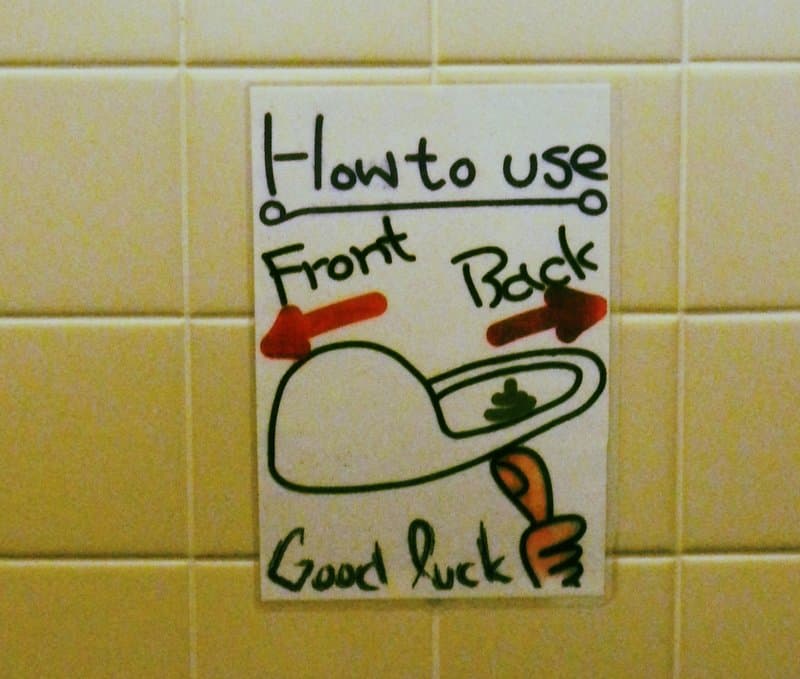
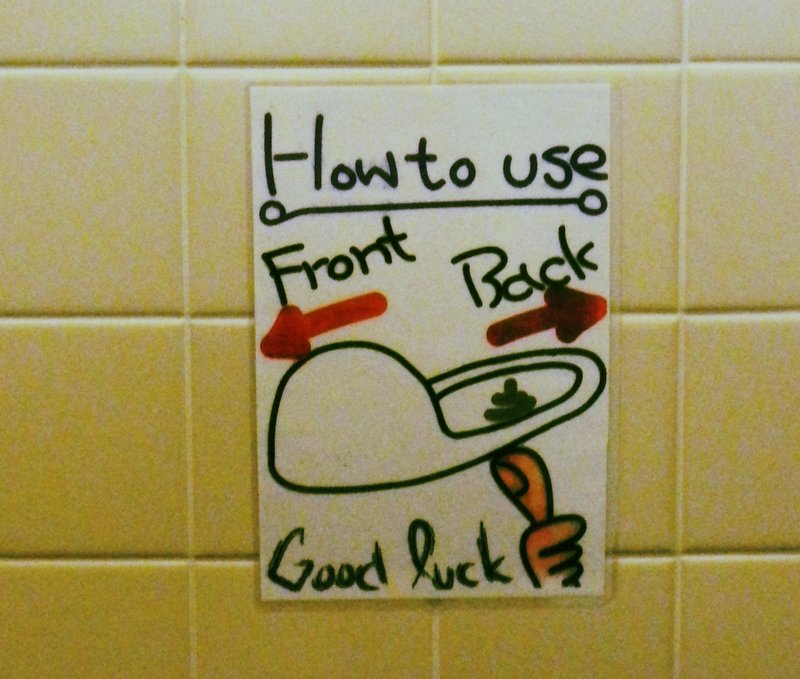
#1 Is THAT a toilet?
Parents, both current and expectant should remember that the shape and even the function of toilets worldwide vary, considerably!
In Turkey—and many Arab nations—toilets (especially in poorer areas) are frequently replaced by a hole in the floor. Meanwhile, in Japan, the modernized public stalls are equipped with electronic water jets and heated seats while the traditional ones are facing the 'opposite' way compared to the European ones.
#2 Pay-per-use
While American stores and restaurants let most patrons use their facilities free of charge, in Europe, these same utilities often come with a price tag.
My son was puzzled when confronted with the cleaner’s tip jar and the dirty looks he got after he didn't comply.When traveling, especially from the States, remember to keep a few quarters handy for the unexpected bathroom rendezvous.
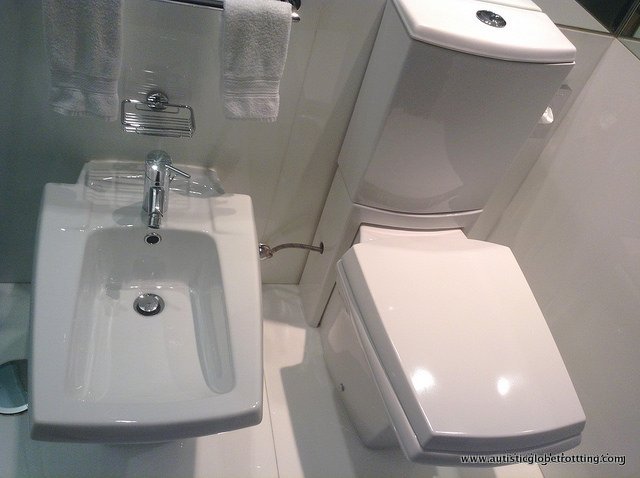
#3 Why is there a water fountain in the bathroom?
While bidets are a staple in many European bathrooms, my son mistook it a “water fountain” and was excited to discover it in our hotel bathroom.Luckily, he didn't get to try it out!
#4 Siesta Time?
American-born and raised, my son had grown accustomed to stores and restaurants staying open most of the day even on weekends.maintaini. So, imagine his surprise to see whole cities shut down for a few hours—in the middle of the day, no less—from restaurants to entire malls for siesta time.#5 Food, best served cold
Living in the USA—where macaroni and cheese are just a microwave away—restaurants are seldom closed, and restrictions (past those about health) are rarely imposed. As such, my son with autism was in for a shock when he visited Israel; unlike in America, the Israeli “Shabbat” laws (not laws per se, but the Orthodox majority imposing their beliefs) prohibit the cooking of food from Friday to Saturday night in hotel restaurants. Not to say that he went hungry-he managed, to get by, replacing his usual morning omelet with a plentiful array of cold and pre-prepared warmed up items.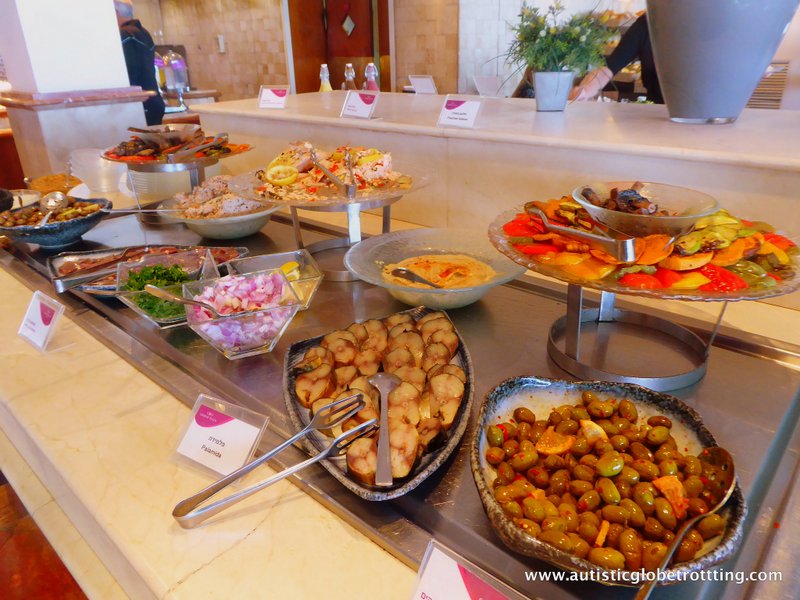
#6 Lunchtime Siren Call
One of the most bizarre encounters on our travels involved our visit to the Central American country of Nicaragua on a cruise. While waiting in a town square café and sipping soda, we flinched at the sound of an air-raid siren blaring through the streets, horrified at the thought that war was upon us. When we asked what had happened, we were baffled to hear from the guide that the siren was used to alert the locals it was time for lunch!#7 Where's my bread and butter?
Like many other restaurant-goers, my son is an avid bread eater, especially when it is freshly-baked or a specialty. While most diners in the United States serve complimentary bread and butter, many establishments in Europe supply bread by request only and charge an extra fee for it.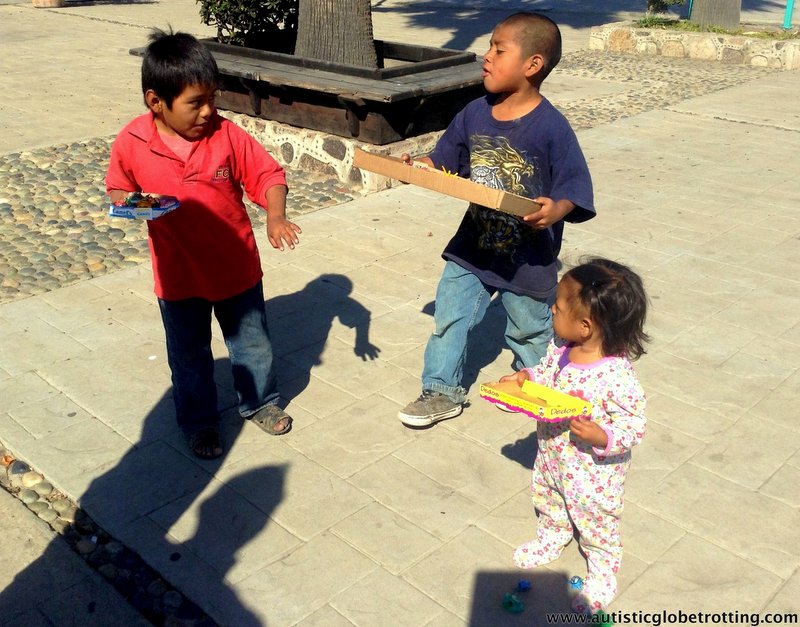
#8 Pushy salespeople
Frequently on travels, my family and I have encountered aggressive merchants of all ages, using any method imaginable to convince you to buy their trinkets, including having toddlers as salespeople. My kids sometimes felt guilty or, at least, uncomfortable when faced with such tactics, ending up buying some unwanted souvenirs.#9 Wait, no air conditioning?
While air conditioning is ubiquitous in our home country, the United States, many countries—even European—lack any acclimatization room system. In many countries, older hotels may require even a central cooling system; in others, there may be strict restrictions as to what time of year and to what extent they utilize their air conditioning (and for the winter, heating).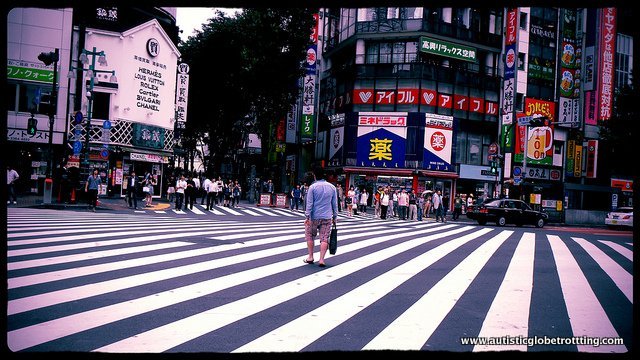
#10 How do you cross the street?
Unlike the States, several countries drive on the left side of the road so, or son had to practice looking to the right when he crossed.But that didn't quite prepare him for what we were faced with in Tokyo.In the Shinjuku area the main thoroughfare, there were several intersecting crossroads with people crossing simultaneously in different directions -a situation that we all found extremely confusing.
Post updated October 18, 2015

Disclosure: Autisable.com participates in affiliate programs, including the Amazon Services LLC Associates Program and other affiliate advertising programs. This means we may earn commissions from qualifying purchases at no additional cost to you.
Comments
Join the community to leave a comment.