Religiosity and Autism
Sabrina Freeman, Ph.D.2 min read

This article may contain affiliate links. Learn more
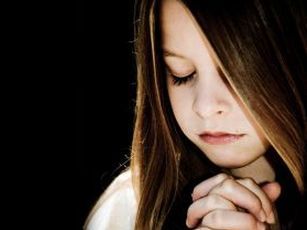
A review of Why Religion is Natural and Science Is Notpublished in Psychology Today reported a lack of ability of those with autism to believe in God. Researchers have suspected:
“that religious belief and understanding is obstructed by ASD and that this results from impaired theory of mind capacities.”
New studies confirm this finding. My instant reaction was big surprise, and tell me something I don’t know! It’s not a big surprise that abstract thinking is typically difficult for people with autism. It may be hard to believe for some, but belief in God is not a prerequisite to be part of a faith-based community.
The article seems to make a connection between belief in a higher being and participation in religious life. Once again, these researchers are asking the wrong question.
Here’s why.
It is irrelevant to most families of children with autism whether their child with autism is a believer or not insofar as theory of mind issues make it a near impossibility. What is important, however, is that the faith-based community with which they are affiliated wholeheartedly embraces their child as a member! I suggest that the question that needs to be studied is which faith-based communities are most likely to integrate people with special needs into the broader community, irrespective of their ability to believe in a higher being. The biggest problem that families of children with autism face is not whether their children have faith, but rather, whether the community will accept their family now that they have a child afflicted with autism. Moreover, although children with autism may be tolerated, how will faith-based communities deal with these children when they reach adulthood? It’s one thing to integrate disabled children; it is quite another matter to embrace adults with autism in a faith-based community without the knee-jerk instinct to segregate.
The correct question to study is whether typically developing adults have the capacity in a faith-based organization to embrace people with special needs rather than just give lip service to it.

Disclosure: Autisable.com participates in affiliate programs, including the Amazon Services LLC Associates Program and other affiliate advertising programs. This means we may earn commissions from qualifying purchases at no additional cost to you.
Comments
Join the community to leave a comment.