Phenol & Autism
newautismcure3 min read
This article may contain affiliate links. Learn more
From Dr. Chun Wong:
I’ve blogged before about reducing your child’s toxic load to help alleviate symptoms of autism, to cut the risk of autism in subsequent children and to have a healthier home, and today I’m going to talk about one particular chemical and toxin, phenol.
What is phenol?
Phenol, or carbolic acid, is a chemical that both occur naturally and that can be manufactured. It ranges from being a colorless liquid to being a white crystalline solid and has a distinct sickly sweet or “tarry” smell which is often associated with the smell of hospitals. Phenol is used in many different products. It is used to make phenolic resins which are used in industries like the automotive, plywood, appliance, nylon and construction industries, and it is also an ingredient in disinfectants like Lysol, antiseptics, cleaning products, medicines, mouthwashes, lozenges and ear and nose drops. Phenol can also be found in food, as gallic acid and malvin.Dangers associated with Phenol exposure
There are many dangers associated with dermal (skin) or oral (ingesting it) exposure to phenol, and also breathing it in. These dangers and health risks include skin irritation, poisoning resulting in muscle weakness, tremors, paralysis, and even respiratory arrest, liver and kidney damage, cardiac toxicity (damage to the heart) and lung damage. But what has all this got to do with autism?Autism and Phenol
An intolerance to phenol in food, as gallic acid, has been linked to attention problems and hyperactivity and a malvin intolerance have been linked to autism, MS and epilepsy. High levels of phenol in the diet (and in the environment) are thought to really affect children with autism and problems tolerating foods containing phenol and salicylates are thought to cause the following symptoms:-- Hyperactivity
- Diarrhea
- Difficulty sleeping
- Red face and ears
- Seizures
- Headaches
- Bedwetting
- Inappropriate laughter
- Impulsive or aggressive behavior
- Self-injurious behavior
- Speech problems
- Stomach ache
- Hives
- Dark circles under the eyes
Reducing Phenol Exposure
Phenols from food and from the environment can build up in the body causing many symptoms and health problems so it may be wise to follow a low phenol diet and to avoid salicylates, artificial colors, preservatives and flavorings. The Feingold Diet is naturally low in phenol and salicylates, and you can find out more about it at www.feingold.org. A child’s exposure to phenols can be reduced also by reducing the toxic load of their environment. Here are some tips to help you do this:-- Don’t use Lysol in the home - It contains phenol.
- Avoid tobacco smoke - Don’t smoke in the home and reduce exposure to tobacco smoke in the environment.
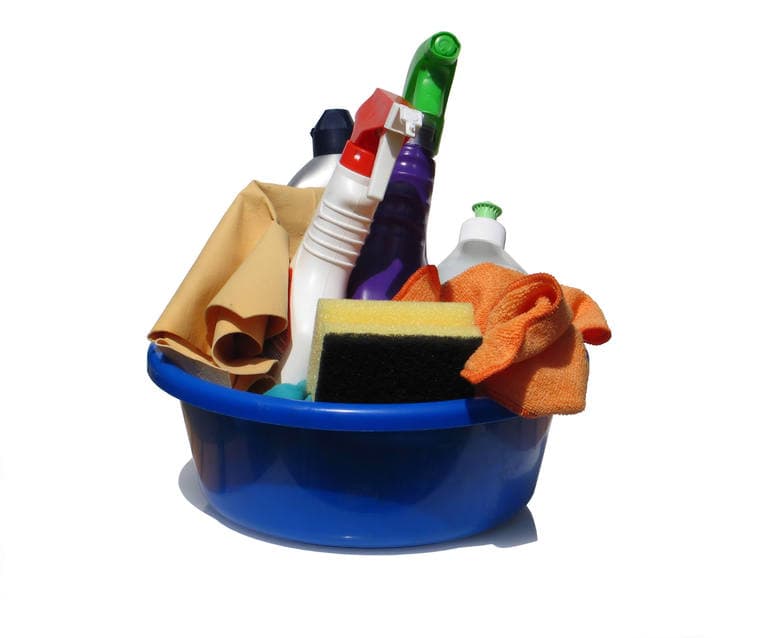
- Avoid cleaning products and medicines that contain phenol- Start looking at labels.
- Look for natural alternatives - There are many companies that make “green” or “natural” products that are free from harsh chemicals and toxins, or you could go back to basics and clean with things like lemon juice, vinegar, and baking soda! There are some great tips and recipes for natural cleaners at www.bae.ncsu.edu
- Use HEPA filters on vacuum cleaners
- Air your home regularly by opening the windows
N
Article by
newautismcure
Contributor at Autisable.


Disclosure: Autisable.com participates in affiliate programs, including the Amazon Services LLC Associates Program and other affiliate advertising programs. This means we may earn commissions from qualifying purchases at no additional cost to you.
Comments
Join the community to leave a comment.