Non-Autistic Parents: Why We Should Get Comfortable with Being Uncomfortable

This article may contain affiliate links. Learn more
In the days leading up to Autism Acceptance Month, something unexpected started happening on my social media feed. I noticed a lot of… dread. My son was diagnosed just 10 months prior, so I had no context for why parents of autistic kids and autistic adults alike were bracing themselves for April. After seeing post after post, I noticed some key differences in the source of the dread. Autistic adults seemed to be bracing themselves for a month of people speaking over them and harming their community in the name of “advocacy.” Non-autistic parents of autistic kids, on the other hand, seemed to be bracing themselves for conflict, arguing, and disunity.
In those posts, there seemed to be an overarching theme:
Can’t we all just get along?
For me, these April observations point to a key factor in the tensions that arise within the broader autism community on social media: Privilege The moment we (as non-autistic parents) enter conversations with autistic adults, we bring our privilege with us. Living in an ableist society that caters to people with brains like ours means that we have blind spots – whether we realize it or not. Autistic adults, on the other hand, have been navigating a world that was not built for them their entire lives.
When they speak their truths, our perception of reality expands, and the layers of comfort and protection that our privilege provides are peeled back and exposed. That’s a painful process!


Studies show that when we’re presented with information that challenges our current understanding, our brains react by “signaling threats to deeply held beliefs in the same way they might signal threats to physical safety.” This fight-or-flight reaction makes complete sense in the context of beliefs that are so deeply held, it feels as if a part of us is being attacked: beliefs about how the world works, or what’s best for our children. Things feel even more personal because it’s our kids we’re talking about.
No one’s in the trenches with them like we are. We walk into IEP meetings armed for battle. We navigate unfriendly interactions on the playground. We fight exclusion at every turn. We are our children’s fiercest advocates, and it goes without saying that parenthood is a connection like no other. But as deep as that connection is, if we aren’t autistic, we do not share in our child’s autistic identity. Thus, we are not the ones being oppressed. Let’s let that marinate…
We are not being oppressed by the systems that oppress our kids.
This is a difficult reality to fully embrace because of how intertwined our lives are with our children’s. It cuts our hearts to the deepest place when our children are discriminated against, underestimated, or otherwise mistreated. But it’s the shrapnel from the oppression they experience that wounds us. The oppression itself is aimed at our kids alone. As non-autistic parents, we will never be able to enter into the fullness of what our kids experience.
But autistic adults can. While no two autistic experiences are exactly the same, autistic adults have faced the same societal barriers, the same assumptions, and the same identity struggles that our children face. They will never be experts on our children, but they are experts on their own lived experience – expertise that is invaluable to us as parents. And when a person’s lived experience includes marginalization, those of us who hold privilege must place our egos to the side and honor those experiences (and the emotions attached to them) above our own.
I know – that’s easier said than done! It’s a natural instinct to want your opinion and emotions to be given equal weight as those of someone who may disagree with you, especially when emotions are high. But if we prepare ourselves for that fight-or-flight reaction we talked about earlier, we can counter that instinct, engage in the conversation with our privilege in mind, and place our perspective underneath the other person’s.



So let’s take a moment to understand the fight-or-flight urge that comes up when our privilege is exposed. It can be rooted in many things, but a few that come to mind are:
- Shame: If I’m potentially wrong about something big – ESPECIALLY something concerning my child – I must be a bad person.
- Embarrassment: If I’ve been wrong all this time and openly admit it, what will people think of me?
- Fear of instability & need for security: There’s so much we don’t know. If something that I thought I knew for sure isn’t actually true, my world feels less dependable – and I feel less dependable.
No one likes those emotions. We all want to feel sure of ourselves, confident, on steady footing – especially as parents! But what if we reminded ourselves that those emotions aren’t final? That they’re simply a bridge to a new state of being – one where we’re walking in a deeper understanding of our children’s identities, experiences, and needs? This quote by Jamie Gerdsen says it well:
“The transition between what was comfortable and what will be comfortable is scary.”
I love that. We won’t feel that sense of shame and instability forever. Yes, our ground has been shaken, but what awaits us on the other side of that discomfort will have been worth it.
Part two of this series will provide practical tips for recognizing our privilege in difficult conversations, and how this process can have a powerful impact on our relationship with our kids.
I owe so much to the incredible autistic advocates I’ve connected with on social media. Here are a few helpful posts on this specific topic for further reading: The Autisticats on how neurotypical parents can best interact with the autistic community Fidgets and Fries on the false sense of “neutrality” and “unity” Neuromess on choosing to take off our blinders instead letting ego get in the way And here are some general resources for ongoing learning and conversation: That Au-Some Book Club Autism Inclusivity I also recommend following the #actuallyautistic hashtag on Instagram, as well as the following accounts – just a few of my favorites!
@the.autisticats @fidgets.and.fries @asiatucoach @neurodivergent_lou @socialstoriesforneurotypicals @neuroclastic @nigh.functioning.autism @myautisticsoul @omgimautisticaf @neurodifferent @unnmasked @autieelle *Portions of this article have been adapted from a previously published post by the author: “Confronting our privilege: how to get comfortable with feeling uncomfortable”
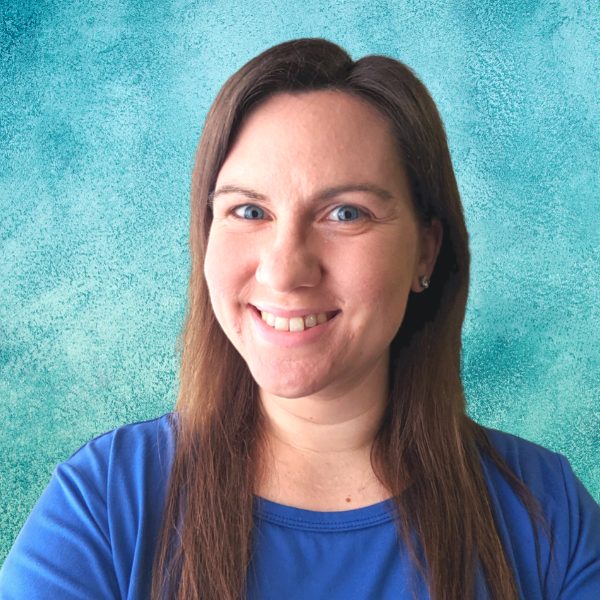
Ellie is a writer, social worker, and mom of two who values living with purpose, authenticity, and joy. She believes that empathy and vulnerability can change the world, and she writes about parenting, embracing autism, racial justice, mental health, and more at elliehunja.com. Ellie lives in LA and loves singing, rom-coms, and desserts of all kinds. She’d LOVE to connect with you on Instagram and Facebook!
This post was originally published elsewhere. Read the original post →

Disclosure: Autisable.com participates in affiliate programs, including the Amazon Services LLC Associates Program and other affiliate advertising programs. This means we may earn commissions from qualifying purchases at no additional cost to you.
Comments
Join the community to leave a comment.