My Son Threw a Shoe in Class Today
autismisnottheboss4 min read
This article may contain affiliate links. Learn more
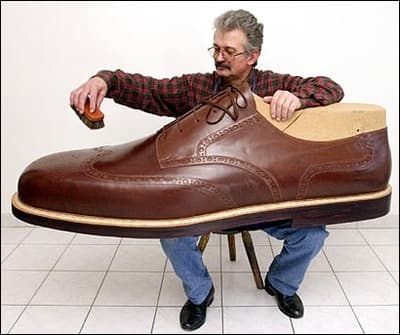
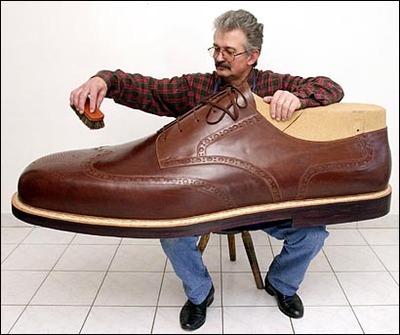 My son threw a shoe in class recently. In this case, he was working at the chalk board, and a classmate noticed that one of his shoes was untied, and kindly went to tie it for him. The good news was that my son didn’t throw the shoe at his helpful classmate. The bad news was that after he threw it, he hid under a table and refused to leave.
When asked why he threw the shoe, my son says he was acting shy. My suspicion is that he lost his concentration and panicked when he could no longer keep up. Am I proud of him for hiding under a desk instead of kicking and screaming? You bet I am. But I also know that we needed to find a better way for him to self-regulate in the classroom.
Traditionally, behavioral issues like these would be addressed by a functional behavioral assessment, followed by an IEP with a behavioral intervention program. The assessment would help determine what is causing the undesirable behaviors, and the plan would help create the right measures to correct it.
But sometimes there is a simpler solution.
The first step is prevention. By elementary school, many students are familiar with transition prompts, such as visual schedules and reminders. For our son, transitions are the major trigger of a meltdown. There is nothing worse than when a child is working hard to follow along with what is going on in the classroom, only to be abruptly interrupted. Sometimes the interruption comes from a change in venue – like a trip to the playground, the cafeteria or a pull-out for therapy. So, prevention in the form of these schedules and prompts can help make transitions more tolerable.
But at other times, interruptions are unavoidable as little kids do unexpected things, and because of that, meltdowns are bound to happen. When it does, the child is often removed from the classroom and taken into a resource room where he can work it out on a mini-trampoline or a swing (thankfully, the old practice of using time out rooms and physical restraints have been outlawed. If any remain, report them!). Pull-outs may be helpful at times, but may not be the best solution. First of all, a pull-out is a transition, and transitions are HARD, especially when a child is already in the throes of a meltdown. And, although pulling a child out of the classroom is standard practice, it isn’t always necessary to leave the room. For example, a beanbag chair can be set up in a corner of the classroom itself as a ‘quiet place’ to self-regulate. It is much more comfortable than the area under his desk!
Another technique to try is a hand signal. The teacher can simply raise her hand in the shape of a letter ‘C, which stands for CALM. The signal is a visual cue, which reminds the child to stop, take a few deep breaths and realize that he is going to be okay. I like hand signals because they are discreet and can be used in all types of public settings. Also, anyone can use it, particularly the general ed teacher or Connor’s paraprofessional.
Another way to prevent a meltdown is to enlist the assistance of other students. A little positive peer pressure and a kind word from a classmate often can help diffuse a difficult situation. Children have the ability to communicate with each other on a level that we adults just don’t understand!
Finally, I would recommend enlisting the help of the school’s occupational therapist. The OT can provide all types of gadgets to help the child self-regulate, such as hand-held squeeze toys and weighted vests. One of our favorites is a headphone product called B-Calm. It was developed by a sound engineer for a dentist who had young patients who hated the sound of a drill. The sound engineer figured out a way to drown out noise and replace it with soothing sounds. Unlike a simple I-pod with headphones (which just added extra noise), B-Calm suppresses the sound of voices and provides a haven for classroom sensory overload.
I can’t say that we’ve totally wiped out meltdowns, but we are well on the way of getting them under control I hope you can use some of these ideas to help keep your child in the classroom, where he or she belongs. Good luck!
----------------------------------------------------------
Have you ever wanted to throw something at someone?
SHARETHIS.addEntry({ title: "My Son Threw a Shoe in Class Today", url: "http://autismisnottheboss.com/2009/04/my-son-threw-a-shoe-in-class-today-self-regulation-in-the-classroo/" });
My son threw a shoe in class recently. In this case, he was working at the chalk board, and a classmate noticed that one of his shoes was untied, and kindly went to tie it for him. The good news was that my son didn’t throw the shoe at his helpful classmate. The bad news was that after he threw it, he hid under a table and refused to leave.
When asked why he threw the shoe, my son says he was acting shy. My suspicion is that he lost his concentration and panicked when he could no longer keep up. Am I proud of him for hiding under a desk instead of kicking and screaming? You bet I am. But I also know that we needed to find a better way for him to self-regulate in the classroom.
Traditionally, behavioral issues like these would be addressed by a functional behavioral assessment, followed by an IEP with a behavioral intervention program. The assessment would help determine what is causing the undesirable behaviors, and the plan would help create the right measures to correct it.
But sometimes there is a simpler solution.
The first step is prevention. By elementary school, many students are familiar with transition prompts, such as visual schedules and reminders. For our son, transitions are the major trigger of a meltdown. There is nothing worse than when a child is working hard to follow along with what is going on in the classroom, only to be abruptly interrupted. Sometimes the interruption comes from a change in venue – like a trip to the playground, the cafeteria or a pull-out for therapy. So, prevention in the form of these schedules and prompts can help make transitions more tolerable.
But at other times, interruptions are unavoidable as little kids do unexpected things, and because of that, meltdowns are bound to happen. When it does, the child is often removed from the classroom and taken into a resource room where he can work it out on a mini-trampoline or a swing (thankfully, the old practice of using time out rooms and physical restraints have been outlawed. If any remain, report them!). Pull-outs may be helpful at times, but may not be the best solution. First of all, a pull-out is a transition, and transitions are HARD, especially when a child is already in the throes of a meltdown. And, although pulling a child out of the classroom is standard practice, it isn’t always necessary to leave the room. For example, a beanbag chair can be set up in a corner of the classroom itself as a ‘quiet place’ to self-regulate. It is much more comfortable than the area under his desk!
Another technique to try is a hand signal. The teacher can simply raise her hand in the shape of a letter ‘C, which stands for CALM. The signal is a visual cue, which reminds the child to stop, take a few deep breaths and realize that he is going to be okay. I like hand signals because they are discreet and can be used in all types of public settings. Also, anyone can use it, particularly the general ed teacher or Connor’s paraprofessional.
Another way to prevent a meltdown is to enlist the assistance of other students. A little positive peer pressure and a kind word from a classmate often can help diffuse a difficult situation. Children have the ability to communicate with each other on a level that we adults just don’t understand!
Finally, I would recommend enlisting the help of the school’s occupational therapist. The OT can provide all types of gadgets to help the child self-regulate, such as hand-held squeeze toys and weighted vests. One of our favorites is a headphone product called B-Calm. It was developed by a sound engineer for a dentist who had young patients who hated the sound of a drill. The sound engineer figured out a way to drown out noise and replace it with soothing sounds. Unlike a simple I-pod with headphones (which just added extra noise), B-Calm suppresses the sound of voices and provides a haven for classroom sensory overload.
I can’t say that we’ve totally wiped out meltdowns, but we are well on the way of getting them under control I hope you can use some of these ideas to help keep your child in the classroom, where he or she belongs. Good luck!
----------------------------------------------------------
Have you ever wanted to throw something at someone?
SHARETHIS.addEntry({ title: "My Son Threw a Shoe in Class Today", url: "http://autismisnottheboss.com/2009/04/my-son-threw-a-shoe-in-class-today-self-regulation-in-the-classroo/" });

Disclosure: Autisable.com participates in affiliate programs, including the Amazon Services LLC Associates Program and other affiliate advertising programs. This means we may earn commissions from qualifying purchases at no additional cost to you.
Comments
Join the community to leave a comment.