Eye contact in infants
Mike Peden1 min read
This article may contain affiliate links. Learn more
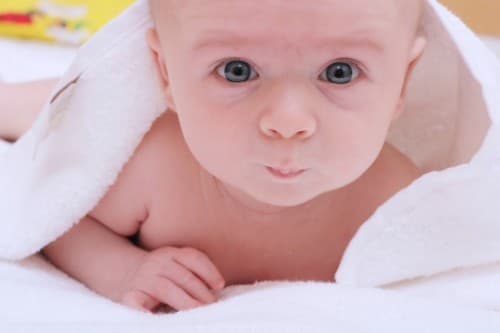
The Journal of Child Psychology and Psychiatry published a theory from autism researchers in their September issue, suggesting infants who don’t engage in gazing at other people’s faces could be exhibiting the first signs of autism spectrum disorder. Researchers studied 25 infants whose siblings were autistic against 25 infants with no history of autism in the family. Autism’s “signature” symptoms are a lack of social interaction and eye contact. What the article does is expand upon known facts about autism. How extensive is uncertain, since I imagine more study will be needed before any indisputable conclusions are made. Even if this becomes fact, I doubt the earlier assessment would change other unproven, but popular, theories about autism’s causes. The still sizzling vaccine controversy wouldn’t be cooled because infants are given many immunizations in the first two years. What this story may do is speed up a diagnosis, or at least alert parents early on so they can keep an eye on their child. Of course, this could go out the window in a hurry if the biological possibilities I’ve discussed this year become reality soon.
This likely won’t be a major discovery, but a potentially supplemental one and something everyone can catch on to since it doesn’t require drastic shifts in observation or parenting. Earlier clues can also lead to earlier intervention methods, meaning a higher chance of making something out of nothing (as many autistic people are relegated to that category).
M
Article by
Mike Peden
Mike Peden brings a rarely discussed perspective on autism news: he was diagnosed with the disability in 1991. His explorations on autism led to an Alliance for Community Media Hometown Video Award in 2008 in the Documentary - Public Awareness category, and he currently deciphers evolving trends in autism coverage.

Disclosure: Autisable.com participates in affiliate programs, including the Amazon Services LLC Associates Program and other affiliate advertising programs. This means we may earn commissions from qualifying purchases at no additional cost to you.
Comments
Join the community to leave a comment.