Computer program could detect autism
Mike Peden2 min read
This article may contain affiliate links. Learn more
Before Saiqa Akhter dominated autism headlines this week, science produced news that could assist developing an objective form to detect autism, marking the second time this year I’ve come across an article that discovers new possibilities.
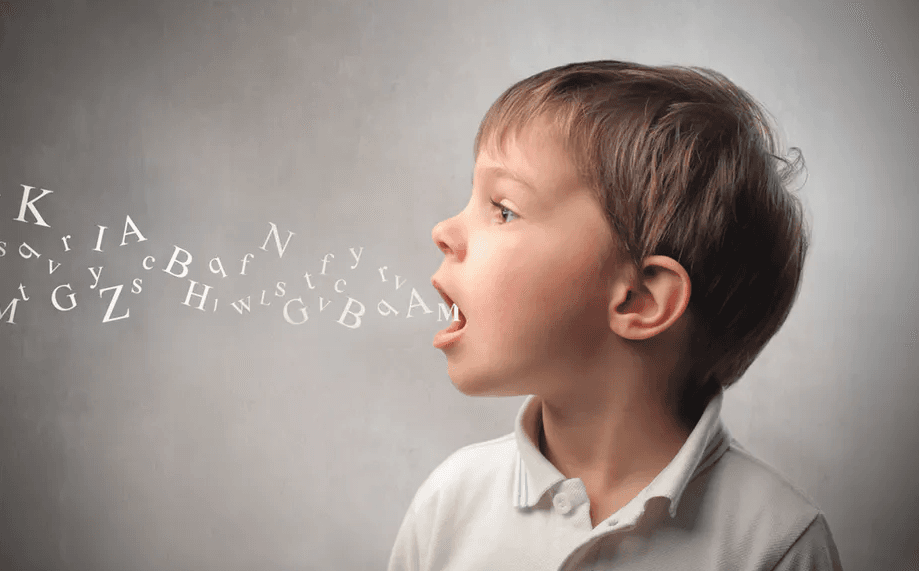
The first brought forth the theory of using urine tests to diagnose autism. This time, scientists say they’ve designed a computer program that can distinguish speech patterns between autistic and normal children, correctly identifying more than 85% of its subjects. Scientists working on the study discovered that autistic children mangled their syllables for much longer than non-autistic children, making a diagnosis easy for the computer program. However, those involved in the study recommend caution: the lead researcher doesn’t believe the program should be the sole measurement in determining who is autistic.
The article may be another sign of an incoming phase in autism coverage. A CNN article a few years back highlighted the primary problem of no objective method of diagnosing autism. A couple years back, ABC News reported a study that found certain genes in an autistic person’s DNA lie dormant. With two discoveries this year, it’s clear there’s a focus at finding something that will make autism diagnoses foolproof (there’s some skepticism at the rapid increase in autism diagnosis rates). While the Internet posts its share of contemporary issues, the medium is also proving its use at publishing articles paving new paths for the autism community, and it goes well beyond Google searches. Home pages of various e-mail and Internet service providers have a page that features major news stories at the moment, much like the front page of local and national newspapers did before the delivery of news rapidly increased speed. Because these sites update their top stories every few hours, topics ignored by other outlets have a place to carry their information.
It would be a safe bet to suggest more objective methods of looking for autism in children will appear, although how coverage will branch after that is unknown. Reporters may choose to focus on how soon objective tests will be put in place, others may weigh pros and cons against the status quo, and there may be a chance of hearing stories about psychologists’ appointments dropping because their services will no longer be required to provide an autism diagnosis. Of course, they will still be needed to help manage autistic people’s behaviors. In any case, expect computers to be at the forefront in finding an indisputable form of detection.
M
Article by
Mike Peden
Mike Peden brings a rarely discussed perspective on autism news: he was diagnosed with the disability in 1991. His explorations on autism led to an Alliance for Community Media Hometown Video Award in 2008 in the Documentary - Public Awareness category, and he currently deciphers evolving trends in autism coverage.



Disclosure: Autisable.com participates in affiliate programs, including the Amazon Services LLC Associates Program and other affiliate advertising programs. This means we may earn commissions from qualifying purchases at no additional cost to you.
Comments
Join the community to leave a comment.