Autistic Teens and Social Skills
This article may contain affiliate links. Learn more
A recent article on AOL News told of a story that touched this author’s heart. It was forwarded to me by my husband. This story is about a program created for Autistic teens who need social skills developed and run by clinical psychologist Elizabeth Laugeson of the University of California, in Los Angeles.
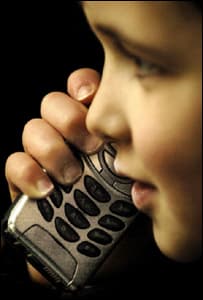
This program is for high-functioning autistic children and teaches them the ins-and-outs of friendships, including how to make one and keep one. In addition to the workshops, there are weekly homework assignments, which include calling someone on the telephone or getting together with a new friend. A lot of people take these actions for granted but for those of us with Autism, just making a phone call can produce debilitating anxiety.
The program does something that most professional-run treatment programs do not: it includes parents. Parents must participate so that he or she can learn how to help his or her child through these situations, after the child graduates from the program. This is vitally important.
As quoted by article author Alicia Chang, “There isn't much research on social group training that incorporates parents. That's a key factor for success," said Barbara Becker-Cottrill, who heads the West Virginia Autism Training Center at Marshall University. She has no connection with PEERS [the program], but has reviewed Laugeson's research. "Parents are children's first and probably best teachers." Parents know their children more than anyone else and are the ones that are better equipped at helping manage social situations outside of school or other structured social times.


It is therefore imperative that parents know how to navigate this sticky situation, one that is filled with angst and anxiety even for those neurotypical teens. Not every child will blossom into social butterflies. And it will not happen overnight for any child, but learning what to do and how to do it, will help in the long run, over time.
This type of program should be fostered internationally as it has the potential to be one of the most successful social training programs.
What has helped you become more social?


Disclosure: Autisable.com participates in affiliate programs, including the Amazon Services LLC Associates Program and other affiliate advertising programs. This means we may earn commissions from qualifying purchases at no additional cost to you.
Comments
Join the community to leave a comment.