Autism, Teenagers, and Socialization
Guest Submitted Post2 min read
This article may contain affiliate links. Learn more
Socializing is a minefield for all teens, but when you have a teen that doesn’t read non-verbal cues, has a slightly quirky sense of humour, doesn’t see silence as something needing to be filled, and is quite literal…. well it’s even harder.
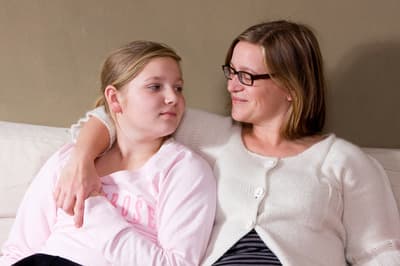
But with all the conversations in our house about how to fit in, something interesting has been happening. Lou now comes home from school and plonks herself down near me and recounts her day. It’s different from when the other two kids do it. They just tell me all the news and gossip and don’t require much response. Lou’s recount is never what she did, but instead is a line by line recall of all the conversations that took place that didn’t have glaringly obvious purposes or meanings, or that she wasn’t sure how to respond to, and we informally analyze them.
She measures my reactions to things that were said to see how her responses compared, I suggest possible reasons for people acting out of character, we discuss what she might say or do in a similar situation next time it happens.
It’s become a really important part of our day, this discussion of the day’s conversations but one I’m really glad I have the time for. For her, being able to reassure herself that she’s said the right things, or to get suggestions for handling situations better next time is gold. And to be able to discuss why other people do things helps her to not only figure out how to respond but also to put herself in other people's shoes - something that has never been easy for her.
Along the way she’s realised something - she might be a little odd to other people, but generally, they are all just as screwed up in their own way. Many of her peers have broken homes, subject to abuse, are drinking or using drugs, sexually promiscuous, self-harming, have body issues, depression, struggles with school, overpressured, lonely or are just plain insecure…
And the only difference between them and her is that she has a therapist’s report that tells her exactly why she struggles while most of them don’t have a clue.


Disclosure: Autisable.com participates in affiliate programs, including the Amazon Services LLC Associates Program and other affiliate advertising programs. This means we may earn commissions from qualifying purchases at no additional cost to you.
Comments
Join the community to leave a comment.