Autism & Mutation in the STRAD-Alpha Gene
newautismcure2 min read
This article may contain affiliate links. Learn more
From: Chun Wong
Though Autism is often considered to be the incurable condition, there are researchers all over the world studying and making connections between Autism and other psychological disorders. Most recently, a team at the University of Pennsylvania School of Medicine discovered a connection between a rare disease affecting Amish children and the commonly diagnosed Autism and Epilepsy disorders.
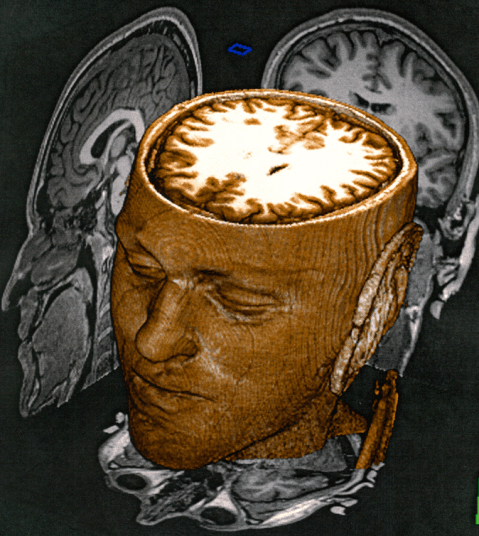
The researchers found that a mutation in the STRAD-alpha gene can cause a rare but severe brain disorder known as Polyhydramnios, megalencephaly, and symptomatic epilepsy (PMSE). Characterized by abnormally increased brain size, PMSE also affects sufferers with its cause of difficulties with cognitive function and epilepsy that is not responsive to medication or treatment.
In animal case studies, animals that lacked the STRAD-Alpha (also called: STRADA) protein, the pathway for another protein called mTOR is opened. In humans, this opening may promote abnormal cell growth that leads to cognitive impairments, especially in children. It’s been found that STRADA and mTOR are proteins that make up the complicated molecular structures that are often found in Autism and other behavioral conditions.
Mutations of the mTOR proteins are found in several disorders including tuberous sclerosis complex (TSC) and other conditions that feature brain tumors. Unlike PMSE, it’s not STRADA but a different protein is affected by the pathway opening. TSC is a much more common disorder with approximately 1 million sufferers worldwide. Researchers find it to be very interesting that a rare disorder like PMSE and a not-so-rare TSC are comparable by their molecular pathways.
Adding PMSE to the list of disorders that are affected by the mTOR pathway is a great advancement in the treatment of Autism. Because PMSE shares some of the same symptoms and characteristics of Autism, it sheds a bit more light on Autism and other similar disorders. The more information that researchers find about possible causes and sources of Autism, the more that they can work towards successful treatments.
N
Article by
newautismcure
Contributor at Autisable.



Disclosure: Autisable.com participates in affiliate programs, including the Amazon Services LLC Associates Program and other affiliate advertising programs. This means we may earn commissions from qualifying purchases at no additional cost to you.
Comments
Join the community to leave a comment.